A calm child sits in the dental chair not by accident, but because dozens of tiny choices went right. The words we pick, the way we greet families at the front desk, the lighting above the chair, the pacing of a cleaning, even what we do when a child starts to cry, all of it communicates safety or threat. In pediatric dentistry, technique matters, yet communication carries the day. The most successful kids dental clinics treat language, tone, and timing as clinical tools every bit as important as fluoride varnish and sealants.
I have watched a toddler who refused to open her mouth become eager to “show her shark teeth,” just because we reframed the exam in play language. I have also misjudged a teen’s anxiety and watched a visit unravel. The lessons that stick are practical and humble: listen more than you talk, match a child’s pace, and earn consent step by careful step.
What children hear before they see the chair
By the time a child first meets the dentist for children, they have already built a story about what will happen. Parents shape most of that story, and we can help them shape it well. When a parent calls a pediatric dental office to schedule a baby first dentist appointment, the front desk sets the tone. A friendly greeting, an explanation that the first pediatric dental visit is short and mostly about getting to know each other, and an invitation to bring a favorite toy reassure more than you might think.
Language needs to be literal, short, and positive. Children hear “needle,” “shot,” “drill,” and “won’t hurt” as warning alarms. Replace those with “sleepy juice to make the tooth take a nap,” “tooth counter,” and “we will make it feel comfortable.” This is not about deception, it is about matching words to a child’s frame of reference. A kids dentistry specialist can still give accurate information without triggering fear. Parents sometimes overexplain to be honest. I suggest a simpler script: we are visiting a kid friendly dentist who will count your teeth, clean the sugar bugs, and show you how to brush like a pro. If anything feels weird, you can raise your hand and we pause.
Practical details help parents prepare. Share what to expect: the visit takes 20 to 40 minutes for a healthy child, we review medical history, we discuss feeding, thumb sucking, and injury prevention, and we do a gentle exam. If x rays are needed, explain why and how the kids dental clinic uses low dose sensors and shielding. If fluoride varnish is recommended, say it is a tooth vitamin that paints on and tastes mild.
The first hello: relationship before instruments
The first five minutes decide the rest. In a children’s dental clinic, I coach my team to greet the child by name before addressing the parent, to crouch to the child’s eye level, and to offer a choice within our boundaries. Do you want to sit in the race car chair or mom’s lap first? Which toothpaste flavor sounds good, bubblegum or watermelon? Choice gives agency, and agency lowers stress.
In a pediatric dental practice, explain the environment as if you are giving a tour. This light is a sun for your tooth garden. This straw is a tiny vacuum that does a silly slurp. This mirror helps me see back corners where the snack crumbs hide. The gentle dentist for kids narrates with specificity. Children do not trust vague reassurances. They trust consistent follow through. If we say we will pause when the child raises their hand, we must pause every single time.
Tell, show, do, pause
Tell, show, do, pause has survived decades because it fits how children learn. Tell what you plan to do in one or two concrete sentences. Show it on a finger or a stuffed animal. Do the step exactly as described. Pause to check in. This rhythm takes a minute longer than jumping in, but it saves ten minutes of meltdown later.
For a pediatric dentist for cleaning, the process might sound like this: I am going to tickle the front teeth with my toothbrush with special toothpaste. This is how it sounds and feels on my glove. Let’s try two teeth and then take a break. If the child tenses, honor the pause you promised. When a child sees that their signal changes your behavior, trust deepens.
The power of pacing
Children burn mental energy quickly in unfamiliar settings. A great kids dentist knows when to slow down and when to move. If a toddler arrives shy and clingy, do the exam knee to knee with the parent holding the child, then switch to the chair next time. If a teen sits quietly but scans the room, ask permission before every change. I am going to tilt you back a little, about this much, so I can see your molars. Ready?
Pacing also applies to treatment planning. When a pediatric dentist for cavities meets a nervous child, stacking too many procedures creates trouble. Break care into shorter visits when possible. If a same day pediatric dentist schedules an emergency pediatric dentist slot for a chipped tooth, stabilize the injured tooth, reduce pain, and save the longer restoration for a separate appointment if the child’s energy is gone.
Using play without losing honesty
Play is not fluff. It is the language of children. The best child friendly dentist uses pretend games, counting challenges, and storytelling strategically. For a toddler dentist visit, I might give the saliva ejector a name, Mr. Thirsty, and encourage the child to “feed” it water. For a dentist for babies, I sometimes sing a rhythm while I count teeth so the sequence feels predictable. For older kids who see through gimmicks, I replace play with collaboration. They can be the “assistant” who operates the suction, or the timekeeper who tells us when 20 seconds are up.
We tell the truth without adult jargon. We do not say something will not hurt if it might. Instead, we say it will feel weird or it will feel like pressure. For a pediatric dentist for tooth extraction, I explain that the tooth will be very wiggly already, we will make the area sleepy, and they will feel pushing, not pinching. I describe the aftercare in clear steps they can repeat back. Children respect candor, and parents appreciate it.
Parents as partners, not spectators
Most children borrow the parent’s emotional state. A parent who squeezes hands and asks repeatedly if it will hurt accidentally amplifies fear. Our job is to coach gently. I invite parents to sit within view yet not hover over the child’s face. I remind them their role is to be the safe base, not the second clinician. We give them simple supportive lines to use. You are doing a great job staying still. One more count of five, then a rest. When parents and the board certified pediatric dentist deliver a consistent message, the child relaxes.
There are exceptions. Some children do better when the parent waits in the reception area. This is common for a pediatric dentist for anxious kids whose anxiety is entwined with separation drama. I never force separation. I suggest a short trial, frame it as a chance for the child to show independence, and keep the parent updated. If a child has a history of trauma or is a pediatric dentist for special needs patient, I discuss the plan in advance, often during a separate pediatric dentist consultation with no instruments opened.
Special considerations for neurodiversity and sensory needs
A pediatric dentist for autism or other developmental differences must individualize communication. For some children, the hum of a polisher is unbearable, not scary. For others, the bright light is the problem. I use a sensory checklist before the visit. We can offer sunglasses, noise reducing headphones, a weighted lap pad, or a fidget. We can dim lights and minimize unexpected sounds. Visual schedules, simple picture cards that show the steps of the visit, help many children anticipate the sequence.
I never assume cognitive level based on behavior. I ask caregivers what works at home. Do they respond to first, then language? Do they use a token board? If so, we replicate it. When a child needs extra time to acclimate, schedule them at the first appointment of the day or a weekend pediatric dentist slot with fewer distractions. Some families prefer a 24 hour pediatric dentist evening hour when the office is quiet. Communication adapts to the child, not the other way around.
Handling fear without bribery
Stickers and treasure boxes have their place, yet they are a celebration, not a currency. If a child learns that cooperation earns toys, refusal becomes bargaining. I focus instead on immediate, specific praise. You kept your tongue still while I counted the back teeth. That helped me be fast. I notice bravery as a behavior, not a character trait. You tried a new feeling even though it was unfamiliar.
For children who freeze or cry, I validate before redirecting. That felt like a big noise. Let’s take two slow breaths together. Show me a bubble breath. Then we move back to tell, show, do, pause. If after two cycles the child cannot proceed, we step back and replan. A gentle kids dentist near me can be firm about safety and still kind. We do not push through tears to “get it done.” That breeds long term avoidance and undermines trust.
When numbing and sedation enter the conversation
A painless dentist for kids is a noble goal, but numbing injections still create sensations that children interpret as danger. Topical anesthetic helps, yet the communication around it does more. I describe a cotton candy gel that makes the gums sleepy. Then I explain they will feel water pressure and a firm push while I count to five or ten. I ask them to keep their hands on their belly and squeeze a stress ball instead of grabbing mine. I keep my promises about timing.
For some children or procedures, a sedation pediatric dentist is appropriate. Oral sedation, nitrous oxide, or general anesthesia should be explained to both child and parent in straightforward terms. Nitrous becomes silly air that helps your body feel calm. We describe the nose mask, the smell, and the feeling of tingles in fingers. We also tell parents what to watch for after the visit. Communication before and after sedation is part of safety, not just convenience.
Emergencies and after-hours reassurance
When a tooth chips on a playground at 7 pm, families need clear guidance, not just an answering machine. A 24 hour pediatric dentist line staffed by clinicians who can triage calms panic. We ask the right questions: is there bleeding that will not stop after ten minutes of pressure, is the tooth loose or displaced, is the child drowsy after a head impact, can they close their teeth comfortably? Simple home instructions for rinsing, applying cold compresses, and saving a knocked-out permanent tooth in milk can preserve a tooth. A same day pediatric dentist appointment for a pediatric dentist for tooth injury pays for itself in outcomes.
In the office, the emergency pediatric dentist still follows the same principles: greet the child, narrate what will happen, offer choices when possible, and avoid scary words. If we need x rays, we describe them as pictures that help find hidden cracks. We warn about the plastic sensor and show the bite gently on a finger first.
Teens need respect more than baby talk
By best pediatric dentist in New York middle school, children reject play language. A pediatric dentist for teens does well with transparency and autonomy. I ask permission before discussing orthodontic referrals for tooth alignment. I speak to the teen first, not just the parent, about hygiene scores, enamel demineralization, and diet. Teenagers respond to metrics and goals. I might say, your plaque score today is 30 percent. Let’s aim for under 10 percent by next visit, which means focused brushing around the brackets for 30 seconds per quadrant. I ask them to pick the plan. Nighttime electric brush or a manual with disclosing tablets as a check? They own the decision, so they own the result.
Cosmetic questions do come up. A pediatric dentist for teeth whitening for teens must discuss age, enamel health, and realistic outcomes. Overpromising invites mistrust. We review how whitening can increase sensitivity, how it interacts with restorations, and how to protect gums. With teens, frankness earns buy in.
Coordinating care with the medical home
Pediatric dental care connects with pediatric medicine more than families realize. A good family and pediatric dentist shares information with pediatricians about decay risk, feeding issues, and injuries. When a child takes long term medications that dry the mouth, we explain the increased cavity risk and tailor fluoride treatment plans. If a child has a heart condition that requires antibiotic prophylaxis, we coordinate. Communication is not just what we say in the operatory. It is how we document, how we follow up, and how we explain options like pediatric laser dentistry for frenectomies or conservative soft tissue procedures.
Parents often ask about holistic pediatric dentist approaches. I am comfortable discussing diet, mouth breathing, sleep, and posture, while staying rooted in evidence. Biologic pediatric dentist philosophies can coexist with mainstream care when we are honest about limits and risks. We explain why fluoride varnish reduces caries by measurable percentages, why sealants protect grooves, and how x rays at appropriate intervals find disease before it hurts.
Payment conversations without shame
Cost is stressful for families. A pediatric dentist that takes insurance, a pediatric dentist that takes Medicaid, or offers pediatric dentist payment plans can reduce barriers, but how we communicate about fees matters just as much. We give estimates before procedures, we explain what is covered and what is not, and we avoid surprise balances. For a no insurance pediatric dentist visit, we present transparent bundles for a pediatric dentist for dental checkup and cleaning, fluoride, and x rays at age appropriate intervals. We never imply that a parent who declines a crown on a baby tooth is neglectful. We lay out risks, alternatives, and timing honestly. When parents feel respected, they stay engaged even when budgets are tight.
Setting up the room to speak for you
A child friendly dentist near me often wins before the dentist enters the room. The operatory should look like a place for kids, not a shrunken adult clinic. Soft colors, ceiling murals, headphones with streaming options, a wall clock the child can watch during “one minute” tasks, a mirror at child height for tooth brushing demos, and a tray arranged neatly communicate order and safety. Every item on the tray should be introduced before use. The more the environment speaks safety, the fewer words you need.
At the front desk, a sign that says pediatric dentist accepting new patients helps, but a face that recognizes returning families helps more. Teach staff to celebrate small wins between visits. You were brave during the fluoride last time, and I see you brought your lucky blue shoes again. These little continuities form the fabric of trust.
Training the team, not just the dentist
In a pediatric dental office, communication training must include every person, from phone staff to hygienists to assistants. I conduct role play sessions quarterly. We practice scripts for first visits, for a pediatric walk in dentist scenario, for a pediatric dentist open on Saturday morning with an anxious child, and for finishing on time when a child needs extra breaks. We practice how to de escalate, how to narrate, and how to invite choice without losing control of the appointment.
Assistants often carry the hardest moments. They hold the child’s hand during numbing, they swap instruments quietly when a step changes, and they keep parents informed. An experienced assistant can sense when to switch from jokes to silence. That sense can be taught, but only through feedback. After tricky visits, we debrief: where did the child tense, what words seemed to land, what could we try next time?
Case snapshots from real chair time
A two year old, first pediatric dental visit: He clung to mom, eyes wide. We sat knee to knee, mom’s knees touching mine, child laying back on the lap bridge. I counted three upper teeth out loud, sang the ABCs while brushing one molar, then sat him up. That was enough. We spent the rest of the visit showing him the mirror and the suction. Two months later, he came back, walked to the chair, and opened on cue for a quick cleaning. The win was built on short exposure, no pressure, and predictable songs.
A six year old with cavities and a fear of noise: The polisher set off panic. We switched to hand instruments and turned the ceiling TV volume up so the sound masked scraping. I asked her to be the vacuum captain. She held the suction and felt in control. We broke a filling appointment into two shorter visits scheduled as pediatric dentist open on Sunday slots when the office was quiet. She completed both without tears.
A 14 year old athlete with a broken tooth after practice: He arrived embarrassed and stoic. I treated him like a young adult, not a child. I explained the options for a bonded build-up now and a more durable restoration later. I described the sensitivity he might feel when air hits the dentin and how to use desensitizing toothpaste. He asked smart questions and appreciated direct answers. His mother later said the respectful tone made the difference.
When to refer and how to say it
Not every case should stay in general care. A pediatric dentist for root canal on a baby tooth, complex extractions, or children with medical complexity may be best managed by a kids dental specialist. The referral conversation can feel like a handoff of trust. I frame it as bringing in a teammate who does this work every day. I stay engaged by calling the specialist, sharing notes, and following up after procedures. Families should never feel abandoned.
If a child has orthodontic concerns, I explain why early evaluation can guide growth, then I offer names of orthodontists who communicate well with kids. Parents appreciate context: what is urgent, what can wait, and what risks ride with waiting.
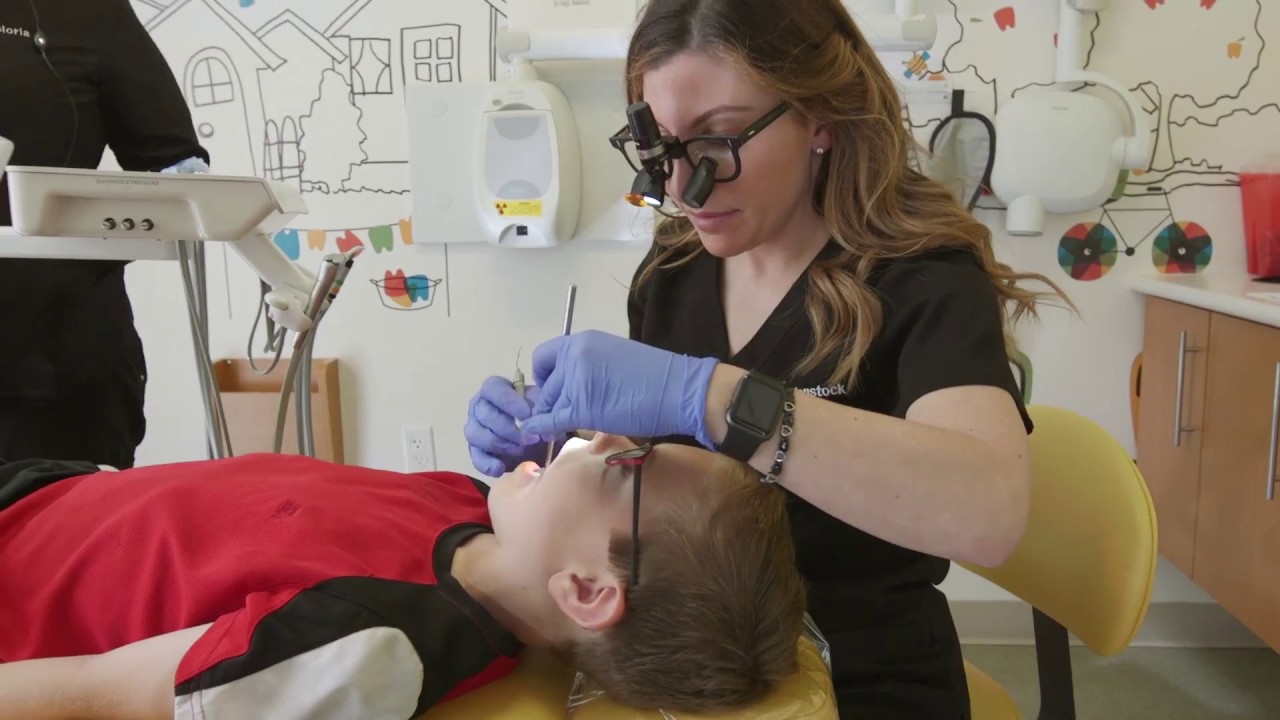
Two tools that reliably reduce anxiety
- A visual timer placed where the child can see it: for polishing, fluoride application, or bitewing x rays, watching time shrink makes endurance feel achievable. Promise a pause when the red ring hits zero, then keep that promise. A choice board with five simple options: sunglasses, headphone music, squeeze ball, scented nose mask, blanket. Let the child pick two. When children see their choices honored, cooperation climbs.
From first visit to lifelong habits
A pediatric dental clinic does more than fix problems. Our words help build identity. A child who hears you are careful with your teeth starts to see themselves as the kind of person who cares for teeth. During a pediatric dentist for preventive care visit, I do not just demonstrate brushing. I ask the child to teach me their routine and I praise specifics. I use disclosing tablets and let them see the pink spots fade as they brush. I set a simple challenge with a reward that is not a toy, like a photo on our Bravery Wall or a shoutout at the next visit.
Frequency matters. When families ask how often should kids go to the dentist, I explain that low risk children generally do well with visits every six months, while higher risk children benefit from three to four month intervals for a year to break a cavity cycle. I tie interval choices to objective markers like plaque, gingival inflammation, caries experience, and salivary flow. Parents understand when decisions feel measured, not arbitrary.
Measuring what you want to improve
Communication is craft, but it is also measurable. In our practice, we track a few indicators: percentage of children completing visits without tears, number of local anesthesia events a child tolerates without hand restraint, parent satisfaction scores that include a question about feeling informed, and the rate of return for families after a difficult visit. When those numbers slip, we review recordings, retrain, and adjust scheduling templates.
We also read pediatric dentist reviews closely. When parents highlight that the dentist explained every step, or that the assistant helped their child feel brave, we know our communication landed. When reviews mention feeling rushed or confused about costs, we fix processes, not just scripts.
Finding a practice that fits your child
Parents often type kids dentist near me or best pediatric dentist near me and wade through pages of promises. Look for signs of a true child-friendly culture: flexible scheduling like a weekend pediatric dentist or pediatric dentist open on Saturday, clear information about a pediatric dentist that takes insurance or a pediatric dentist that takes Medicaid, mention of options for pediatric dentist for special needs children, and photos that show child-centered spaces rather than stock images. Call and ask how they handle a nervous child or a pediatric dentist for baby first visit. The way the team answers the phone tells you most of what you need.
If you need urgent access, search emergency pediatric dentist near me or pediatric walk in dentist, but still listen for how the team talks to you. You want calm, specific instructions, not just a slot on the calendar.
The quiet discipline behind a calm visit
Great pediatric dentistry looks effortless from the outside. Underneath, it is a quiet discipline. The dentist and team have rehearsed language that respects children, environmental cues that calm without patronizing, and plans for when things do not go perfectly. They know when to pivot from play to precision, from parent-as-coach to parent-as-observer, from persevering to rescheduling. They understand that the goal is not just a completed filling or a spotless cleaning, it is a child who leaves thinking, I can do this.
A child friendly dentist is not a theme, it is a practice style. It shows up in the words we choose, the pace we keep, the honesty we maintain, and the trust we earn one visit at a time. Families remember how we made them feel more than anything else. If we get the communication right, everything else gets easier.
📍 Location: New York, NY
📞 Phone: +12129976453
🌐 Follow us: